Plenty of Texas workers assume workers' compensation covers every job injury. In this state, that assumption often fails.
Texas lets most private employers opt out of the workers' compensation system entirely. Companies that opt out are called non-subscribers, and many West Texas employers fall into that group.
When a worker for a non-subscriber gets hurt, the path forward looks nothing like a routine claim. You may have grounds to bring a civil case against the employer or another responsible party.
Our work injury lawyers in Abilene focus on that path, from the first medical record to the final demand. If a job site injury left you unsure who pays, call 325-437-3311 for a free consultation.
Why Injured Workers in Abilene Call Our Firm First
Injured workers across Abilene choose the Law Offices of David M. White because we treat each case as its own matter, not a file in a stack.
We handle personal injury and criminal defense from two West Texas offices, and job injury claims sit squarely in our work on personal injury claims in Abilene.
A few things set the day-to-day of working with us apart:
- We give every client direct, personalized attention, not assembly-line handling.
- We offer free consultations, so a first conversation costs you nothing.
- We answer calls around the clock, every day of the week.
- We serve clients from offices in Abilene and San Angelo.
- We accept Spanish-speaking cases and handle communication in Spanish when needed.
Those choices matter most when an insurer for a large company starts building its side before you even leave the hospital.
How an Abilene Work Injury Lawyer Builds Your Case
We start with two facts: how the injury happened and whether your employer carries coverage. From there, we gather medical records, incident reports, and witness accounts. Then we press the responsible party for full and fair payment, and we keep the language plain enough to follow at every turn.
Did Your Employer Opt Out of Workers' Comp?
Whether your employer carries workers' compensation decides almost everything about your claim. Texas stands as the only state where most private employers may legally opt out of the workers' compensation system. Many employers across West Texas go without it.
Employers that carry coverage are subscribers. Their injured workers get no-fault benefits through the state system but usually give up the right to sue.
Employers that opt out are non-subscribers, and their workers keep the right to bring a civil case under Texas Labor Code Section 406.033. You may confirm an employer's coverage status through the Texas Department of Insurance, Division of Workers' Compensation.
Coverage status points each injured worker down a different road, as the table below lays out.
| Your situation | Where the claim goes | How we help |
|---|---|---|
| Employer carries workers' comp (subscriber) | No-fault benefits through the state Division of Workers' Compensation; a suit against the employer is usually barred | This route runs through the state comp system, which our firm does not handle |
| Employer opted out (non-subscriber) | A civil personal injury case against the employer for negligence | We handle these claims |
| Someone other than your employer caused the harm | A civil personal injury case against that third party | We handle these claims |
The middle and bottom rows are our lane, and both start with a simple question about your employer's coverage.
Can You Sue Your Employer for a Work Injury in Texas?
Yes, you may sue your Texas employer for a work injury when that employer opted out of workers' compensation.
These non-subscriber claims are civil personal injury cases, not comp claims. To win, you show that the employer's negligence played a part in your injury.
Texas law also strips several common defenses from a non-subscriber. Under the statute, an opted-out employer may not argue that:
- Your own carelessness caused the injury.
- You knew the job carried risk and accepted it anyway.
- A coworker's mistake, rather than the company, caused the harm.
Because those defenses fall away, a non-subscriber that shares even part of the blame often faces the full claim.
You still carry a burden of proof. Texas law asks you to show the employer's negligence, or that of someone acting for the employer, helped cause the injury.
Any waiver you signed before getting hurt, giving up your right to sue, holds no weight under the same law.
Who Else Might Owe You Money After a Job Site Injury?
People other than your employer sometimes share the blame for a work injury. When they do, you may bring a separate claim against them. These third-party claims run beside any case tied to the employer.
Common third parties on a West Texas job site include the following:
- A subcontractor or another crew whose actions created a hazard.
- A property owner who failed to keep the site reasonably safe.
- A driver who hit you while you worked or traveled for the job.
- A maker of faulty equipment that sold a dangerous machine or part.
A third-party claim sometimes reaches money that a single case against one employer leaves on the table.
What Kinds of Work Injuries Happen Across West Texas?
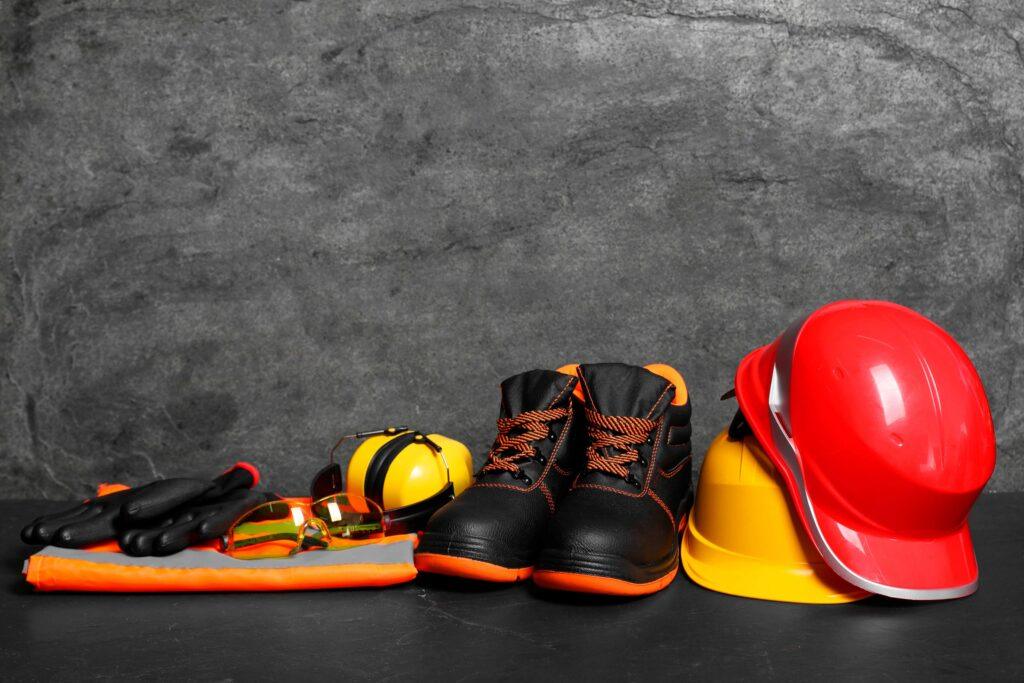
West Texas job injuries often trace back to the region's core industries. Oil and gas work, construction, trucking, farming, and warehousing drive much of the local economy around Abilene and San Angelo. Each field carries its own injury patterns.
The injuries we see most from these worksites include the following:
- Falls from ladders, scaffolds, rigs, and roofs that break bones or cause head trauma.
- Heavy machinery that crushes or takes off hands, arms, and feet, often leaving catastrophic injuries behind.
- Vehicle and equipment wrecks that hurt drivers and ground crews.
- Heat exposure on summer job sites that leads to serious illness.
- Repeated heavy lifting that damages backs, shoulders, and knees.
Federal safety rules from the Occupational Safety and Health Administration (OSHA) shape many of these cases, since a clear rule violation may support a negligence claim.
What to Do After a Work Injury Once You Are Home and Safe
The steps you take after a work injury shape the strength of your claim. Once you are home and past the emergency, a few clear moves protect your health and your case. Start with your medical care.
Work through these steps as soon as you feel up to it:
- Follow every treatment order and keep all of your follow-up visits.
- Write down how the injury happened while the details stay fresh.
- Save pay stubs, medical bills, and any injury report from work.
- Ask your employer, in writing, whether it carries workers' compensation.
- Talk to a lawyer before you give a recorded statement to any insurer.
Adjusters often use an early recorded statement to shrink or deny a claim, which can lead to disputes with an employer's insurance carrier, so getting legal advice first protects you.
How Long Do You Have to File a Texas Work Injury Claim?
In Texas, you generally have two years from the date of a work injury to file a lawsuit. This deadline comes from Texas Civil Practice and Remedies Code Section 16.003, and courts apply it strictly. A claim for a death on the job generally runs two years from the date of death.
Why Acting Early Helps Your Work Injury Case
Waiting makes a case harder to prove. Witnesses move away from the Abilene area, and job site conditions change fast. Fresh medical records tie your injury to the incident far better than records made months later.
Certain claims, such as those against a government body, carry much shorter notice deadlines, so early legal advice keeps your options open.
FAQs for Abilene Work Injury Lawyers
What does it cost to hire a work injury lawyer in Abilene?
Hiring a work injury lawyer in Abilene starts with a free consultation, so your first step costs nothing. You learn your options and ask questions before spending money. We go over any fee terms with you directly at that meeting, before you decide anything.
Do I have to report my work injury to my employer?
Yes, report your work injury to your employer as soon as you reasonably manage it. Prompt notice creates a written record and protects your claim, whether your employer carries workers' compensation or not. Put the report in writing and keep a copy for yourself.
What if I was partly at fault for the accident?
You may still recover after a work injury even if you were partly to blame, as long as your employer is a non-subscriber.
Texas bars an opted-out employer from using your carelessness to escape responsibility. Your share of fault carries far less weight in these cases.
Can my employer fire me after a work injury in Texas?
Texas workers’ compensation law prohibits certain retaliation against employees who exercise rights under the workers’ compensation system.
That statutory protection generally does not apply to employees of non-subscribing employers. Other employment laws may apply depending on why the employer took action and the facts of the case.
How long does a Texas work injury case usually take?
A Texas work injury case timeline depends on the injury, the evidence, and the other side's willingness to settle. Some claims resolve in months.
Serious cases that head toward trial sometimes take a year or more. Faster is not the goal, since your full medical picture affects claim value.
Talk to an Abilene Work Injury Lawyer Before the Insurer Does

The company that opted out of workers' compensation already knows the rules of this fight. Its adjuster starts working the file the day you get hurt, long before you feel ready. You gain the most by matching that head start with someone who knows Texas non-subscriber law.
Bring us the facts while they stay fresh. We look at your employer's coverage, the cause of the injury, and every party who shares the blame. Then we push for full and fair payment, in plain terms you follow.
Reach the Law Offices of David M. White at 325-437-3311. We answer around the clock, and the first conversation is free.