Road rage refers to extreme, aggressive behavior that goes beyond ordinary driver frustration. It includes actions like threatening other motorists, intentionally ramming vehicles, or even physical assault.
According to the AAA Foundation for Traffic Safety, nearly 80% of drivers admit to expressing significant anger or aggression behind the wheel at least once in the past year. What starts as honking or a rude gesture can quickly spiral into something far more dangerous.
Knowing the types of road rage and how they escalate can help you recognize dangerous situations and take measures to protect yourself.
If a road-raging driver has injured you or someone you love, a car accident lawyer can help you pursue fair compensation for your losses.
Schedule a Free ConsultationKey Takeaways: What You Need to Know About Road Rage
- Road rage differs from aggressive driving in its intent to intimidate, threaten, or harm other motorists.
- Common types include verbal threats, dangerous vehicle maneuvers, and physical confrontations that put everyone on the road at risk.
- Victims of road rage incidents may pursue compensation through civil claims, even if the aggressive driver also faces criminal charges.
- An experienced attorney can investigate the incident, gather evidence, and fight for fair compensation on your behalf.
How Aggressive Driving Escalates into Road Rage
Most drivers experience frustration on the road from time to time. Heavy traffic, running late, or dealing with discourteous drivers can test anyone's patience. But there's a meaningful difference between feeling annoyed and acting on that anger in dangerous ways.
Aggressive driving includes behaviors like tailgating, speeding, or making abrupt lane changes. These actions are risky, but they typically stem from impatience rather than a desire to harm someone.
Road rage takes things further. It involves a deliberate intent to intimidate, threaten, or injure another person. The driver's goal shifts from getting somewhere faster to punishing or confronting another motorist. In Texas, threatening another person can even result in assault charges, adding a criminal dimension to an already dangerous situation.
When frustration turns dangerous
The shift from aggressive driving to road rage often follows a predictable pattern. A driver feels slighted or cut off. Their stress response kicks in, and rational thinking takes a back seat. What happens next can change lives in an instant.
Common triggers that push drivers over the edge include:
- Perceived disrespect from another driver, such as being cut off or tailgated
- Running late for work, appointments, or other obligations
- Personal stress from work, relationships, or financial pressures spilling over into driving behavior
- Anonymity behind the wheel, which can embolden people to act in ways they never would face-to-face
Once a driver crosses the line into road rage, the situation can escalate rapidly. Verbal confrontations turn physical. Vehicles become weapons. Innocent people get caught in the crossfire.
Why do some drivers lose control?
Not everyone who feels frustrated on the road becomes a danger to others. Certain factors make some drivers more prone to road rage than others.
People dealing with chronic stress or anger management issues may have a shorter fuse behind the wheel. Alcohol or drug impairment can lower inhibitions and impair judgment. Even environmental factors like extreme heat or noise can contribute to aggressive behavior, pushing someone who feels on edge to become hostile.
None of these factors excuses violent or reckless conduct. They simply help explain why some situations escalate while others don't. According to the AAA Foundation for Traffic Safety, nearly 80% of drivers have expressed significant anger, aggression, or road rage behind the wheel at least once in the past year.
Types of Road Rage Behaviors
Road rage takes many forms, ranging from intimidating gestures to life-threatening violence. The National Highway Traffic Safety Administration (NHTSA) distinguishes between aggressive driving, which is a traffic offense, and road rage, which involves criminal behavior with violent intent. Recognizing these behaviors can help you avoid dangerous situations and document what happened if you become a victim.
Verbal threats and obscene gestures
The most common forms of road rage involve yelling, cursing, or making obscene gestures at other drivers. While these actions may seem relatively minor, they often indicate that a driver is losing emotional control.
Verbal confrontations can also distract both drivers involved, increasing the risk of a collision. A driver focused on shouting at someone else isn't watching the road ahead.
Aggressive vehicle maneuvers

Many road-raging drivers use their vehicles as tools of intimidation. These dangerous maneuvers put everyone nearby at risk.
Common aggressive driving tactics include:
- Tailgating at dangerously close distances to pressure another driver to speed up or move over
- Brake-checking, or slamming the brakes suddenly to startle or punish a following driver
- Blocking other vehicles from changing lanes or merging
- Weaving aggressively through traffic without regard for other motorists
- Speeding excessively to chase or catch up to another vehicle
Each of these behaviors dramatically increases the likelihood of a serious collision. Road rage incidents on busy highways like Interstate 20 can be especially devastating due to high speeds and heavy traffic.
Forcing vehicles off the road
Some road-raging drivers take their aggression a step further by intentionally forcing other vehicles off the roadway. This extremely dangerous behavior can cause the targeted driver to crash into guardrails, barriers, or other obstacles.
Victims may suffer serious injuries, including broken bones, traumatic brain injuries, or spinal cord damage. In the worst cases, being run off the road can be fatal.
Intentional collisions
Perhaps the most extreme form of road rage involves deliberately ramming another vehicle. This goes beyond reckless driving into potential assault with a deadly weapon.
Intentional collisions can cause multi-vehicle pileups, especially on busy highways. The injuries tend to be severe because the aggressive driver often accelerates into the impact rather than braking.
Physical violence outside the vehicle
Road rage sometimes extends beyond the vehicles themselves. An enraged driver may follow their target into a parking lot, force them to pull over, or confront them at a stoplight.
These confrontations can turn violent quickly. Some road rage incidents have involved:
- Fistfights and physical assaults
- Drivers brandishing or using firearms
- Attacks with improvised weapons like tire irons or baseball bats
According to The Trace, road rage shootings have increased significantly in recent years, with hundreds of people killed or injured annually in these incidents.
Consequences of Road Rage Incidents
The days and weeks following a road rage incident can be devastating for everyone involved. Victims often face physical injuries, emotional trauma, and significant financial burdens. Understanding what's at stake helps illustrate why these incidents deserve serious legal attention.
Physical injuries and fatalities
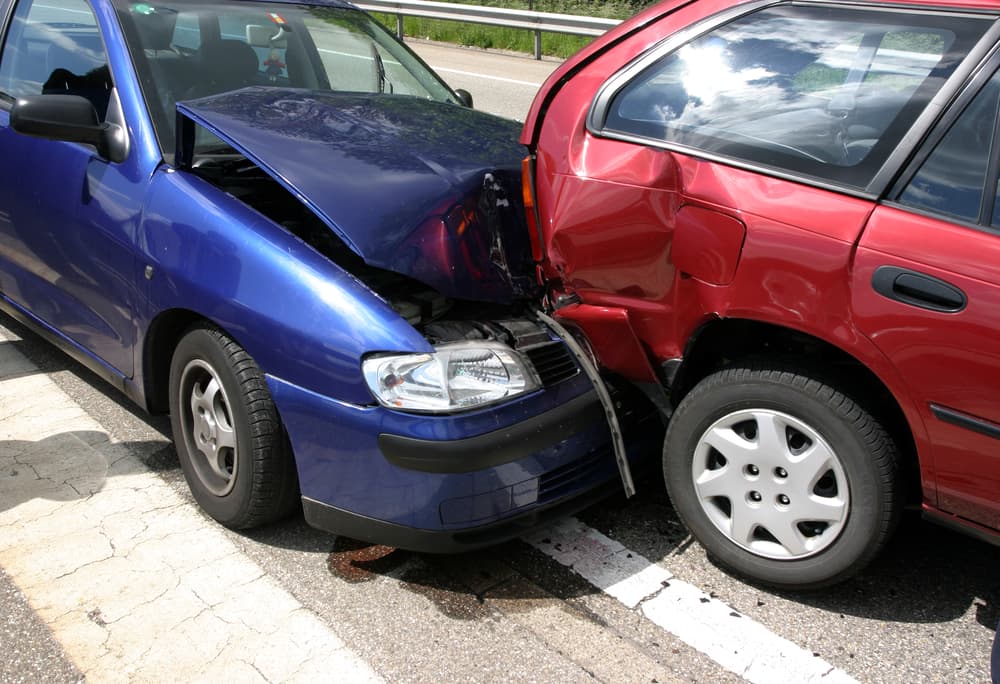
Road rage collisions tend to be more severe than typical accidents. The aggressive driver is often accelerating rather than braking, which increases impact force dramatically.
Common injuries from road rage incidents include:
- Traumatic brain injuries from high-speed collisions or being forced off the road
- Spinal cord damage that may result in partial or complete paralysis
- Broken bones, particularly in the neck, back, and extremities
- Internal bleeding and organ damage from blunt force trauma
- Lacerations and burns, especially if vehicles catch fire after impact
In the most tragic cases, road rage results in death. Families are left to grieve a loss that never should have happened, all because another driver couldn't control their anger. When road rage leads to a fatality, surviving family members may have grounds for a wrongful death claim.
Emotional and psychological harm
Physical injuries aren't the only damage road rage victims suffer. The psychological impact can be just as debilitating and often lasts much longer.
Many victims experience anxiety, depression, or post-traumatic stress disorder (PTSD) after a road rage incident. They may develop a fear of driving or feel unsafe on the road. Flashbacks, nightmares, and hypervigilance are common symptoms that can interfere with daily life.
These emotional injuries are real and compensable. A civil claim can include damages for the psychological suffering you've endured, not just your medical bills.
Property damage and financial losses
Beyond injuries, road rage incidents often result in significant property damage. Vehicles may be totaled. Personal belongings inside the car can be destroyed.
The financial impact extends further when you factor in lost income from missing work. Medical bills pile up quickly, especially if you need surgery, rehabilitation, or ongoing care. This is one of many reasons to contact a personal injury attorney sooner rather than later.
Criminal Charges vs. Civil Liability in Road Rage Injury Cases
Road rage can lead to both criminal prosecution and civil claims. These are separate legal processes with different purposes, and one doesn't replace the other.
How criminal cases work
When road rage involves criminal behavior, law enforcement may arrest the aggressive driver. Prosecutors can then bring charges on behalf of the state.
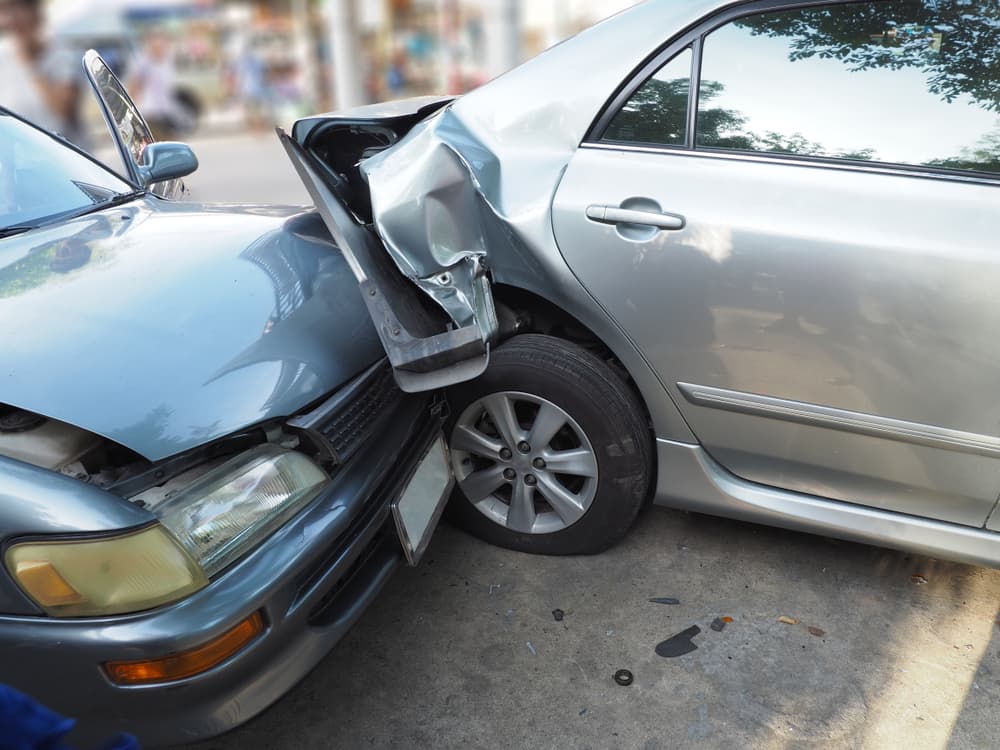
Criminal charges in road rage cases often include reckless driving, assault, aggravated assault with a deadly weapon, or even attempted murder in extreme cases. If convicted, the driver may face fines, probation, or prison time.
However, criminal cases focus on punishing the offender rather than compensating the victim. Even if the court orders restitution, it rarely covers the full extent of your losses.
Your right to file a civil claim
A civil claim is separate from any criminal case. You file it directly against the driver who harmed you, seeking compensation for your injuries and losses.
Civil cases use a lower standard of proof than criminal cases. While prosecutors must prove guilt beyond a reasonable doubt, civil claims require only a preponderance of the evidence. This means you may recover compensation even if the driver isn't criminally convicted.
If the driver is convicted, that conviction can serve as powerful evidence in your civil case. It essentially establishes that the driver acted wrongfully, making it easier to prove liability.
Compensation available through civil claims
A successful civil claim can help you recover damages for both economic and non-economic losses.
Economic damages cover your measurable financial losses, such as medical expenses, lost wages, and property damage. Non-economic damages address the harder-to-quantify impacts like pain and suffering, emotional distress, and diminished quality of life.
In cases involving particularly egregious conduct, punitive damages may also be available. These are meant to punish the wrongdoer and deter similar behavior in the future.
How a Car Accident Lawyer Can Help
Pursuing a claim after a road rage incident presents unique challenges. The aggressive driver may deny their behavior or claim you provoked them. Insurance companies may try to minimize your injuries or shift blame onto you.
An experienced attorney can investigate what happened, gather evidence like traffic camera video, dashcam footage, and witness statements, and build a strong case on your behalf. They handle negotiations with insurance companies so you can invest your time and energy into healing.
Most personal injury attorneys work on a contingency fee basis, meaning you pay nothing unless they recover compensation for you. This arrangement makes quality legal representation accessible regardless of your financial situation.
Questions About the Types of Road Rage People Often Ask
What should I do immediately after a road rage incident?
Get to a safe location and call 911. Document everything you can about the other driver and their vehicle, including the license plate number. Seek medical attention even if you feel fine, as some injuries don't show symptoms right away.
Can I sue for emotional distress after a road rage incident?
Yes. Emotional distress is a recognized form of damages in personal injury cases. If a road rage incident caused you anxiety, PTSD, or other psychological harm, you may include these damages in your claim. Documentation from a mental health professional helps support your case.
What if the road-raging driver claims I provoked them?
Provocation is not a valid legal defense for dangerous driving or assault. Even if another driver's behavior frustrated you, that doesn't give anyone the right to threaten or harm you. Texas follows comparative fault rules, but a skilled lawyer can protect your claim from unfair blame.
How long do I have to file a claim after a road rage accident?
Every state sets its own deadline, called a statute of limitations, for personal injury claims. These deadlines typically range from one to four years. Missing this deadline usually means losing your right to sue, so consult an attorney promptly.
Will my insurance cover damages from a road rage incident?
Your own insurance may cover some losses depending on your policy. However, the at-fault driver's liability insurance should be the primary source of compensation. If the aggressive driver was uninsured, your own uninsured motorist coverage may help.
Get the Help You Need After a Road Rage Incident

If you or a loved one suffered injuries in a road rage incident in Abilene, San Angelo, or the surrounding areas of Texas, the Law Offices of David M. White is here to help. Call us in Abilene at (325) 437-3311 or San Angelo at (325) 221-4421, or contact us online for a free consultation to discuss your case.
Schedule a Free Consultation